- Jun 12, 2024
The Ultimate Mustang Mission
- Amanda Whitmire
- 0 comments
Why Take Wild Mustangs Out of the Wild?
“In North America, mustangs have no real natural predators, and left to their own devices, they’ll breed. Herds can double in size every five years. Spaniards brought horses to the continent in the 1500s, and by the end of the 19th century there were 2 million mustangs scattered throughout North America.
Then people started killing them. The horses were easy prey for anyone with a rifle and a flatbed truck; slaughterhouses paid cash for carcasses and sold the meat to pet-food manufacturers. In 1959, thanks to a grassroots campaign by Velma B. Johnston, a.k.a. “Wild Horse Annie,” Congress enacted a law that banned using motorized vehicles to hunt mustangs. It was only laxly enforced, so in 1971 Congress passed the Wild Free-Roaming Horses and Burros Act, which mandated that the US Department of Interior protect the mustangs “from capture, branding, harassment, or death” and designated them as “living symbols of the historic and pioneer spirit of the West.” (-MotherJones.com)
"Under the act, the BLM created 303 Herd Management Areas on 65,780 square miles of range throughout 10 Western states, an area about the size of Florida. A subsequent law also mandated that the BLM maintain herd sizes at 1971 levels, rounding up—the contemporary lingo is “gathering”—excess horses to ensure a static population. But first the BLM had to figure out how many mustangs lived on the open range. Rough estimates made in 1971 put the population at 17,000; two years later a more rigorous census (using spotters in small planes) counted 42,000."
Today, there are over 60,000 mustangs that have been taken off the land and put into corrals, now waiting to be adopted. This article states, ‘“If we don’t get this controlled, it’s just going to get worse,” said Alan Shepherd, the on-range branch chief for the wild horse program. Mustangs have already destroyed fragile desert springs in some places, and the birds, snakes and butterflies that depend on them, he said: “We are going to get to the point where the public lands are going to be almost unusable by anything.’”
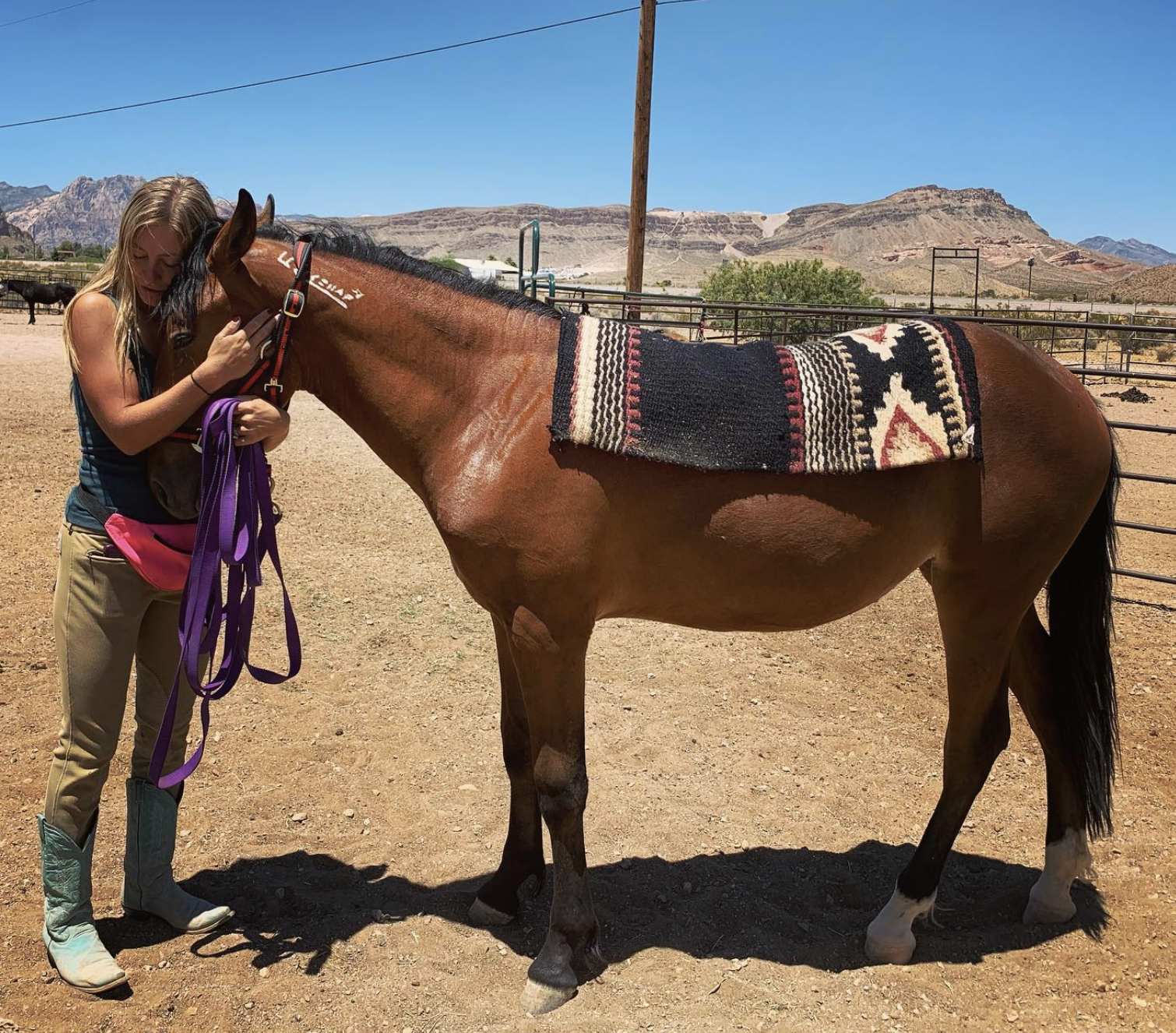
“The BLM is caring for 32,000+ (over 60,000 now today) captive mustangs at a cost of $29 million annually—a whopping 68 percent of the BLM’s $40.6 million wild horse and burro program budget.
Meanwhile, sell-offs to private developers, oil and gas exploration, and, more recently, areas targeted for renewable energy projects have swallowed up about 20,000 square miles of viable mustang habitat. Of the original 303 HMAs, only 180 remain, on a patchwork of rangelands totaling 45,150 square miles—69 percent of the 1971 range. With so many horses on so little land, the BLM must gather and board an increasing number of mustangs each year.”
The land that they live on in the wild is becoming dangerous, and filled with more and more horses, since horse herds can double if left alone every five years. The food and water is becoming more scarce, and the BLM has decided life in captivity is best for many of them.
Watch this video HERE to see a 2020 update on wild horse management on public lands.
Make sure to download the PDF guide HERE for free that goes along with this blog series!
I firmly believe that this is the right decision, and that the life that they live in the wild is not easy at all. I think each and every mustang can flourish in the right domestic hands with love and trust, and that saving these previously wild animals is part of our responsibility as a country.
SO, let's get this straight, there are thousands of mustangs needing to be adopted?
YES!
Once the mustangs are gathered they are taken to the holding pens, which are open to the public! You can go and visit these previously wild historical icons and see them in all of their glory, together as a herd-for-now while they wait to be adopted. They are fed daily and given water and shelter/shade from the elements.
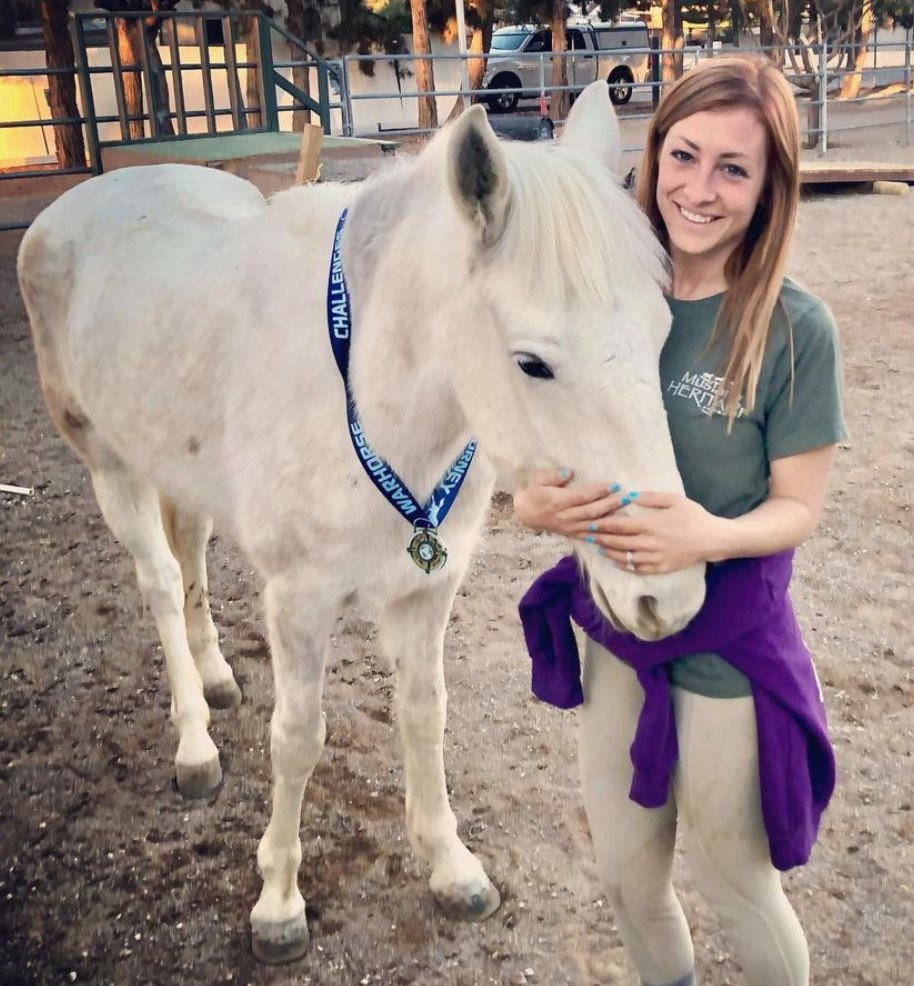
Watch this video HERE to see Sam VanFleet visit a holding facility in California to pick out a mustang for a challenge.
The government has incentives available to help inspire people to adopt, but mostly, I believe the knowledge to train a wild mustang is what most people are lacking in order to really make this solution work successfully. These horses can be very dangerous when they are new to "the human world."
For example, in order to have your application approved to adopt, one of the requirements is a 6-foot fence, because many of these horses will jump right over a 5-foot fence! Some of these horses have so much fear for humans and may never be able to be tamed, but many of these horses are very docile and eager to learn and become partners with a human!
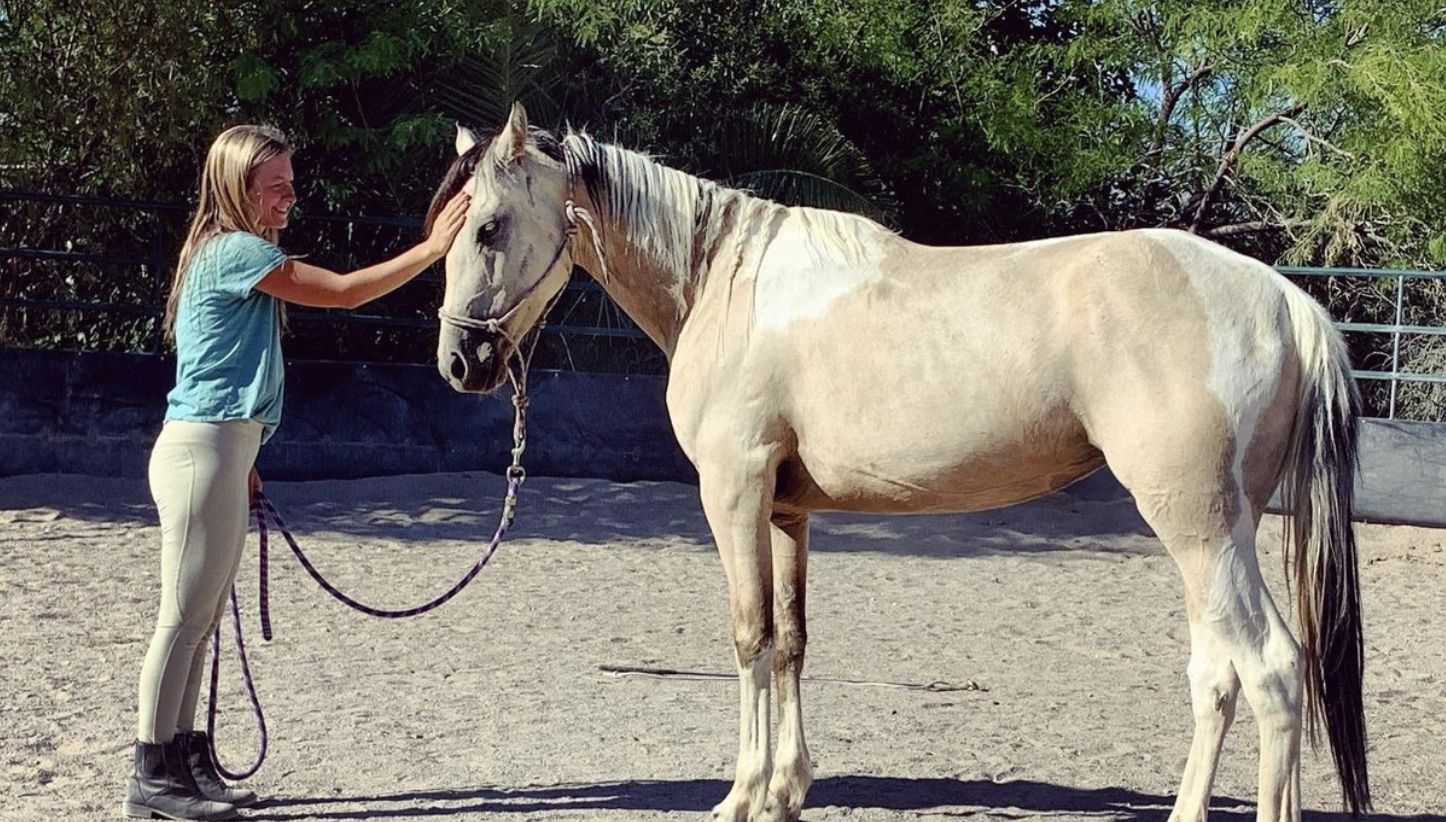
TIP Trainers & Our Ultimate Mission
The BLM maintained a partnership with the Mustang Heritage Foundation (MHF) from 2006-2023. MHF is a 501(c)(3) public, charitable, nonprofit organization dedicated to facilitating the successful placement of America’s excess wild horses and burros into private care. The Mustang Heritage Foundation created the Trainer Incentive Program, which was better known as TIP, to bridge the gap between the public and excess wild horses held in off-range corrals. TIP supported a network of hundreds of horse trainers who gentled, trained and found homes for wild horses and burros.
I became an official TIP trainer in April 2021 so that together with my students and clients, we could help train and adopt out several mustangs from the holding pens!
Even though the TIP program is no longer officially in partnership with the BLM, the actions of these former TIP trainers, many who are still active mustang trainers, will inspire thousands of other people to learn and get involved with mustangs and hopefully adopt one of their own. We want to help clear all of the pens across the nation and get these mustangs in happier homes with partners who love and cherish them, no matter what program we work through in partnership with the BLM.
Do you share this mission? Do you see the wild horses and feel they deserve to run free? They need our help! The ones in the wild need some to be rounded up in order for their herds to sustain themselves and thrive. The horses rounded up need loving families to feed and care for them. Together we can do this!
In the next section, we will talk about the various options for helping these amazing creatures! Are you wanting to get more involved with helping mustangs? Do you have dreams of owning your own someday? Learn more about what it takes!
24-Page Downloadable Guide
https://www.whitmirecoaching.com/mystery-of-the-mustang-guide
Part 1: Guide to Bringing Home Your First Horse
https://www.whitmirecoaching.com/blog/mystery-of-the-mustang
*Part 2: The Ultimate Mustang Mission
https://www.whitmirecoaching.com/blog/ultimate-mustang-mission
Part 3: Inspirational Stories From Mustang Owners
https://www.whitmirecoaching.com/blog/inspirational-mustang-stories
Part 4: Options For Helping Mustangs
https://www.whitmirecoaching.com/blog/helping-mustangs
Part 5: Preparing For Mustang Adoption - What To Do (and Not Do)
https://www.whitmirecoaching.com/blog/preparing-for-mustang-adoption
Part 6: Best Shelters and Exercise Areas for Mustangs
https://www.whitmirecoaching.com/blog/mustang-shelter-exercise
Part 7: Feeding a Wild Mustang in Captivity
https://www.whitmirecoaching.com/blog/feeding-mustangs
Part 8: Bringing a Wild Mustang Home - Final Preparations
https://www.whitmirecoaching.com/blog/bringing-home-wild-mustang-horse
Part 9: Wild Mustang's First Week Home - First Touches