- Jun 16, 2024
Feeding a Wild Mustang in Captivity
- Amanda Whitmire
- 0 comments
Learn about nutritional care so you can be mindful of what you are putting into your horse’s body. Learn about their diet, additional supplements and treats.
Water
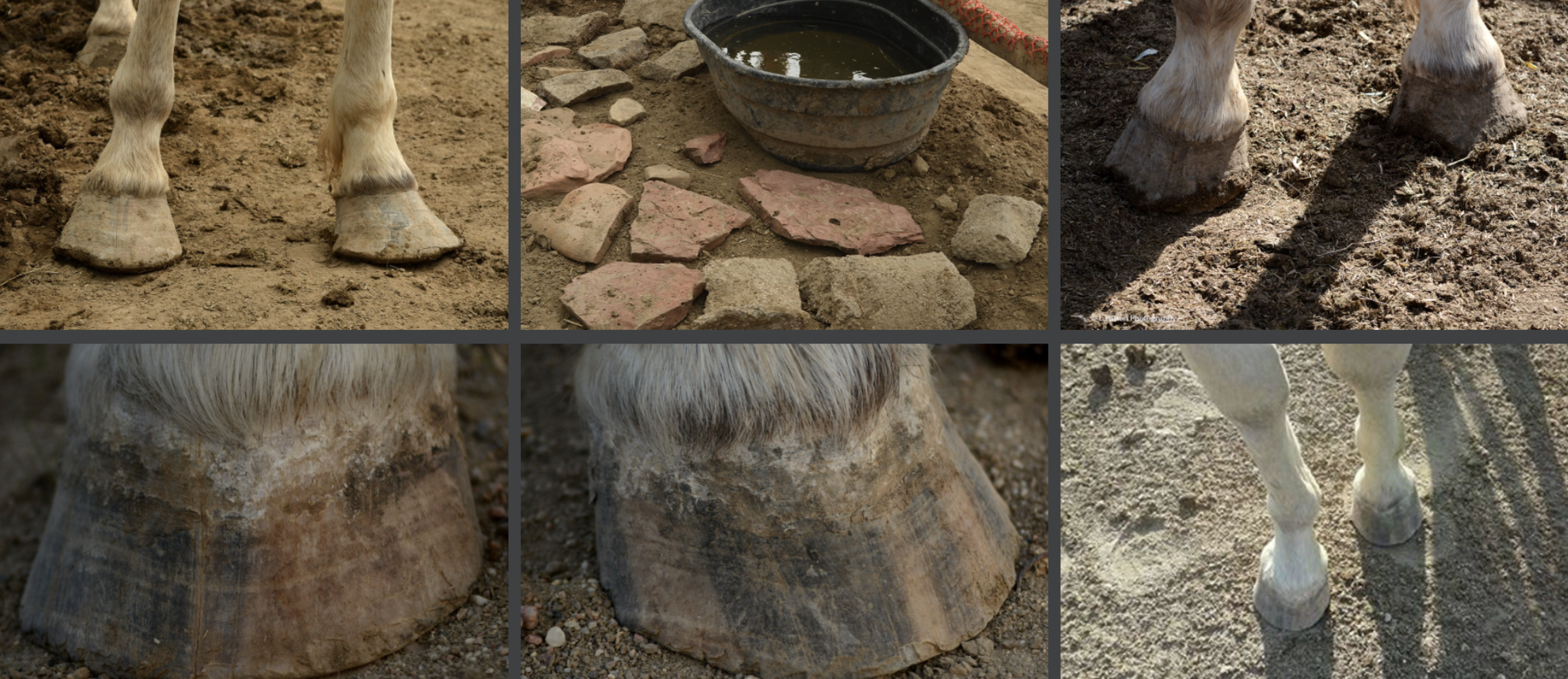
Here is some great info from Mustang Moments (see the post here) about putting stones down by the water to help your mustang's feet wear naturally!
Not all mustangs can be gentled enough in a timely manner to get their hooves trimmed before over growing. And sedation isn't always an option as some more wild mustangs can have very adverse reactions to sedation, and tilt chutes like what BLM uses aren't available to most. So what can you do? You can create a natural trim foundation in and around your mustang pen...I learned this from a dear departed friend, Carmon Deyo, RIP.
Place abrasive rocks such as flagstone, broken cement pieces or other hard abrasive rocks around water tank and feed tubs, overflow your water tank often to hep soften hooves, but not so often that it creates thrush or other issues...once or twice a week depending on your location and weather should suffice.
(Note: Photo #2 rocks need to be at least 2" to 3" thick, with spacing in-between. It is the rock edges that break off excess hoof wall, not the top surface of rock)
Movement within the pen is also needed, as this doesn't work as well if your mustang tends to be sedentary. The mustang in this photo took months for me to gentle, and nearly half a year for me to even touch his feet, and nearly 4 years before he would let anyone but me pick up or even get close to his feet (I could do it, but no one else could) I created the self trimming rock foundation (2nd photo) 4 months after adopting him when it became evident how extremely over reactive he was and his hooves were already getting to long. (1st photo).
Third photo is 1 month after placing rocks, 4th, 5th and 6th photos were taken approximately 3 months later.
Hay
Hay is the basis of a horse's diet, and they eat about 2% of their weight a day in hay. Read this article HERE about hay and different types to decide what is best for your horse. We are currently feeding our mustangs 1 to 1.5 flakes of an Orchard Grass/Alfalfa mixture hay, twice a day.
You can purchase small amounts of hay (that will last your horse a month to six months) from your local feed store like Tractor Supply, or here in Las Vegas, we have Jones Feed and Tack on the North and South sides of town.
Jones Feed & Tack North
6515 W Lone Mountain Rd, Las Vegas, NV 89130
Phone: (702) 645-1992
Jones Feed & Tack South
8174 S Las Vegas Blvd #111a, Las Vegas, NV 89123
Phone: (702) 629-4100
We order hay for delivery from Jones every 2-3 weeks as we need it and they usually deliver it within the next 2-3 days for about a $20 delivery fee. The hay we buy currently ranges from about $17-$20 a bale, which is about 16 flakes, or enough for one horse to eat for a week.
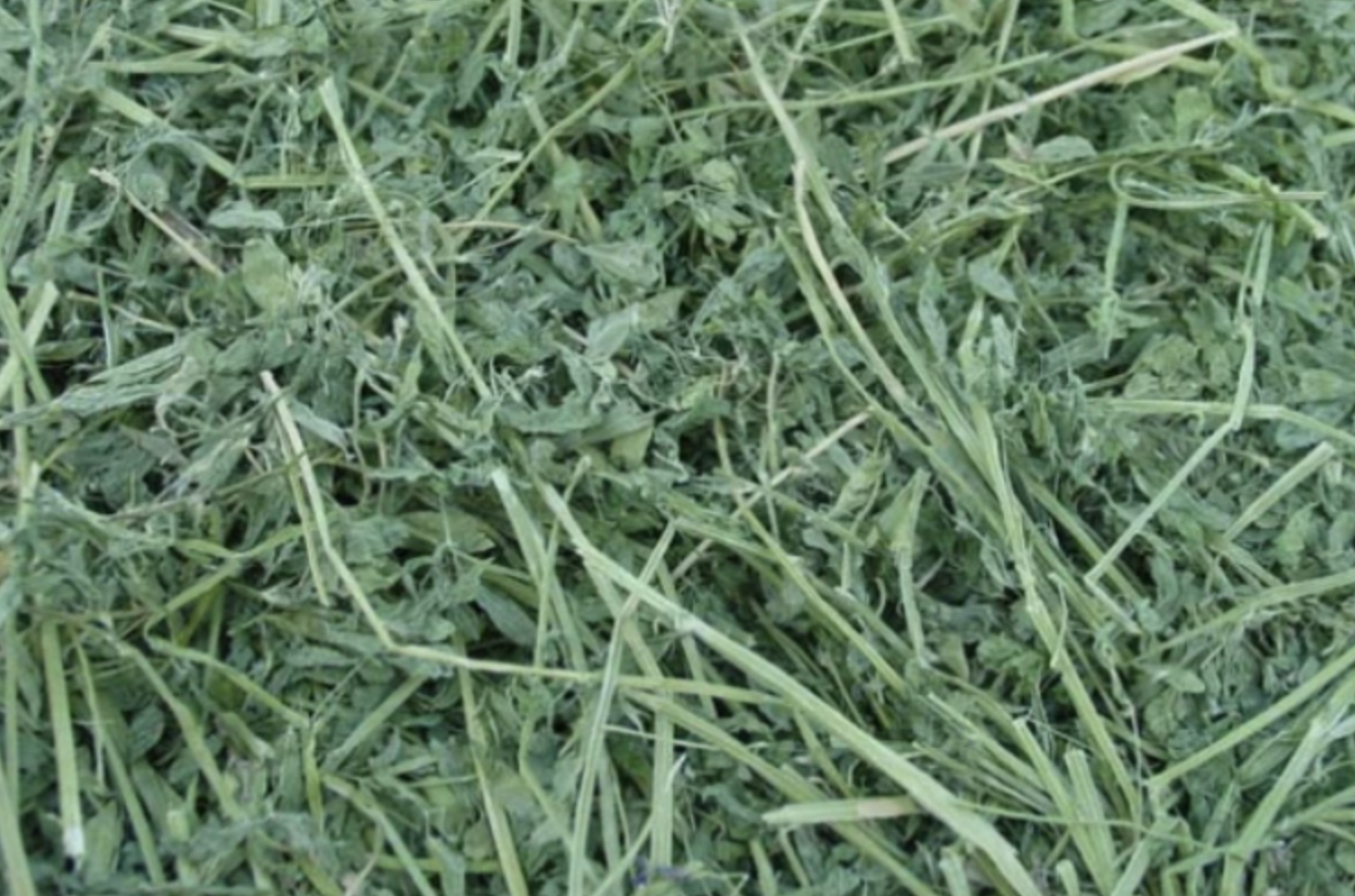
Alfalfa pictured above, notice it's a brighter leafier green hay.
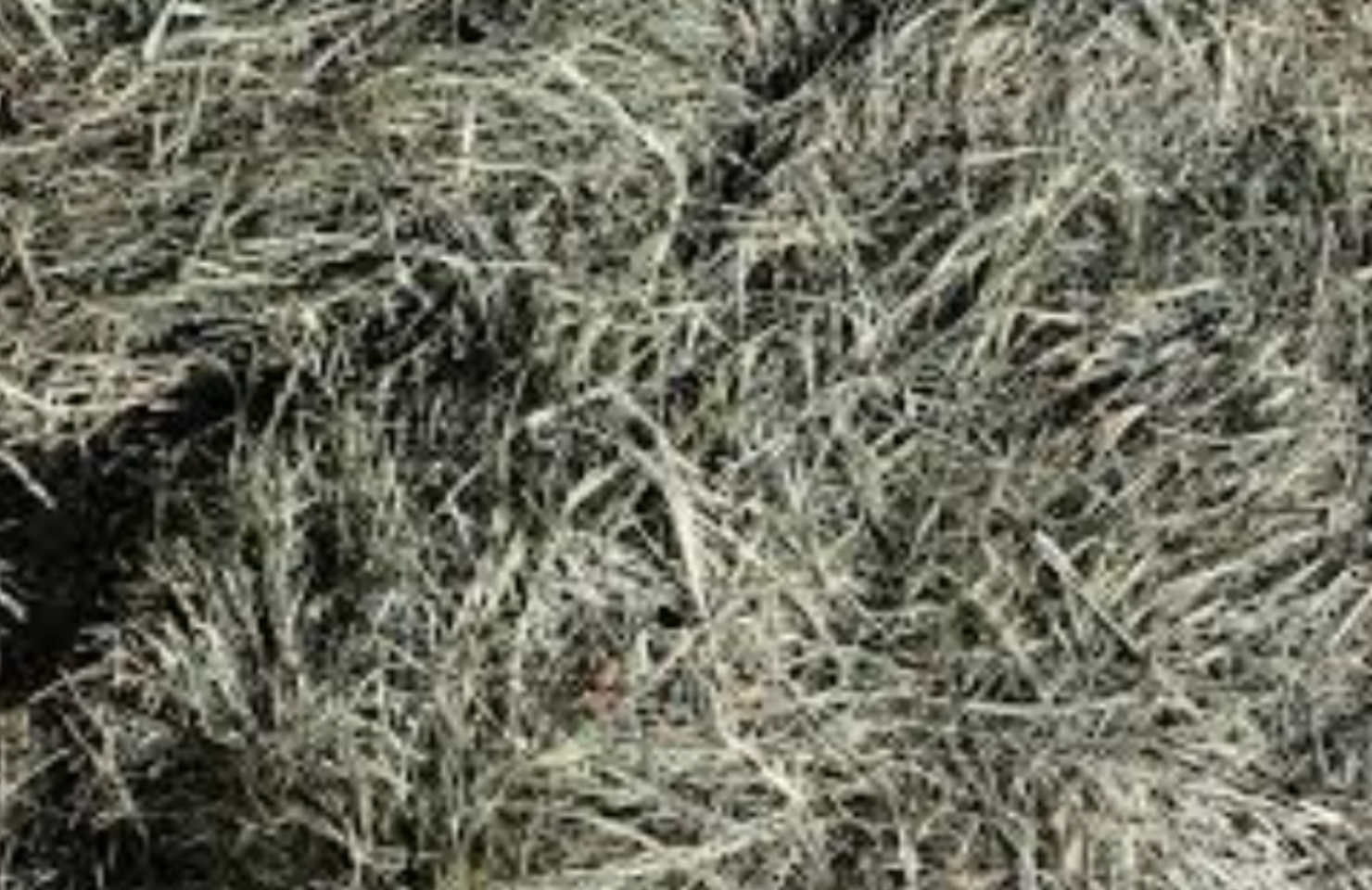
Bermuda Grass pictured above, notice its dull coloring and longer pieces.
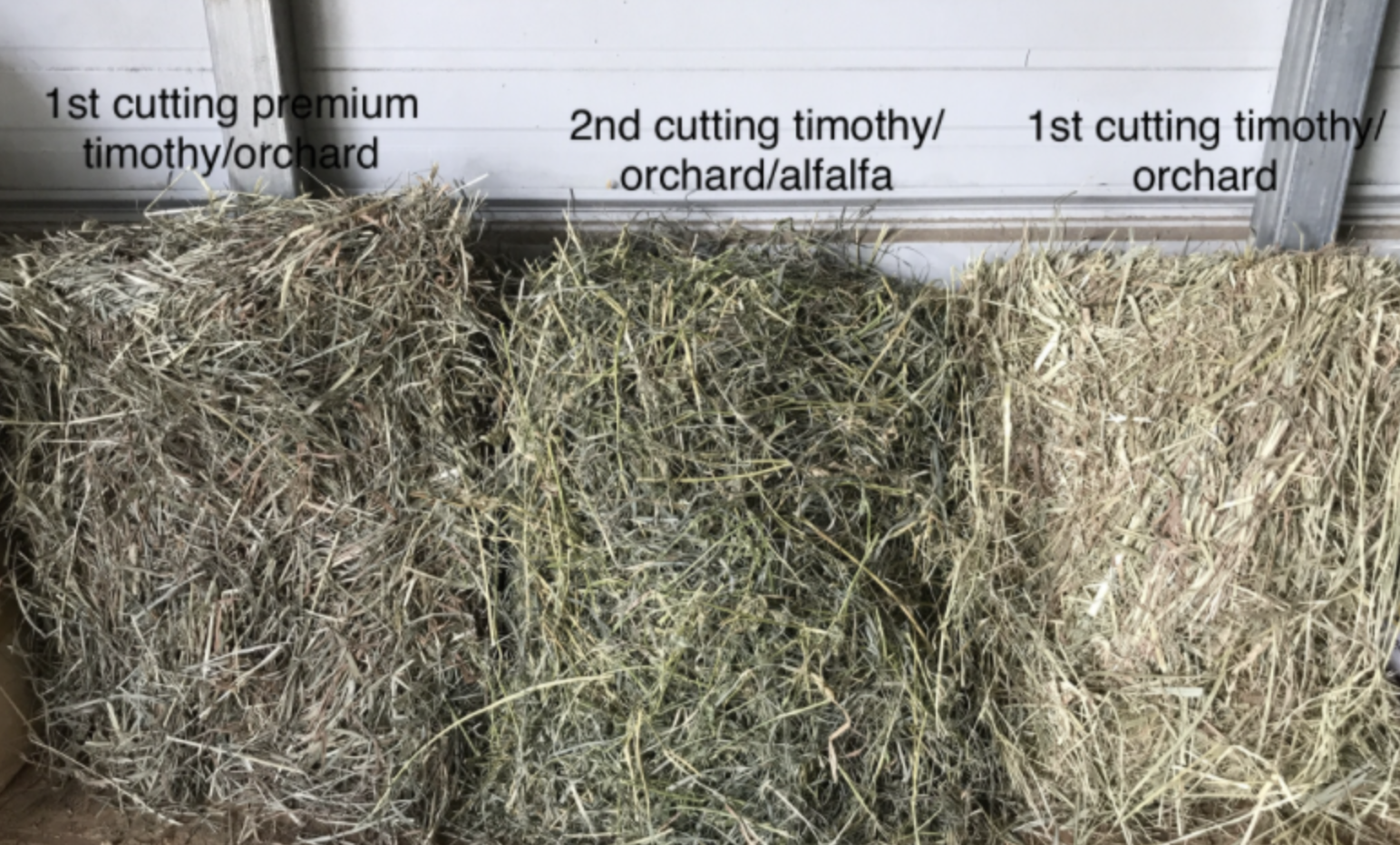
Various cuttings of different varieties of hay pictured above.
Hay Alternatives
Sometimes the wind is too strong and it makes your hay blow away completely, or for veterinary reasons you'll need to give your horse hay cubes, or if I am working on a lot of positive reinforcement training and want to give "treats" I will use a timothy hay pellet like this one HERE. You can give your horse several little handfuls of these pellets as a training treat or a scoop (or a few) for a lunchtime snack if you want to add a bit more hay in your horse's diet in another way.
Salt Block
Horses have no way of telling you which minerals they are missing in their body, but if you hang a salt block up, they’ll be able to lick it as needed and gain more of the minerals they need from the salt block! It’s a great thing to hang in their stall area! HERE is an example of a salt block you can hang! You can find these at the local feed store also! (They also have huge giant 50lb blocks you can put in the stall too if you have room!)
The video in this section shows Gemini licking the tiny last piece of the salt block she had! So cute! You can see how they get the salt when they need it!
Other Treats
Horse love apples, carrots, and many fruits and vegetables. I also absolutely love using Purina treats with my horses! These two are my favorite flavors/kinds:
Grain
On top of hay and treats, you can give your horse grain once or twice a day, depending on how active they are and how much you are riding and working them. This is the grain that I give to our mustangs, Purina Omolene 100, but there are many different types of grain you can use for your horse, and benefits to each grain specifically. You can ask your vet what they would recommend for your horse and they should be able to give you a few good options to choose from if they think grain is a good idea to give your horse additionally!
Supplements
You can add all sorts of extras into your horse's grain. It is good to get them used to eating grain in case they have medicine from the vet that you'll need to mix in, or if they have a more intensive workout and you'd like to feed an extra "treat" consistently. Here are the extras we like to add into our mustang's feed:
Oatmeal - HERE is a good article about why feeding oats to your horse is good. HERE is a link to regular quick Quaker oats, which I add about a half of a cup into a scoop of grain each day when I feed our horses.
Probiotics - Like in humans, probiotics can be great for many aspects of health. HERE is a link to some cubes you can put in the feed to mix in, and they also sell this brand of probiotics in a powder form that you can add a few scoops to the feed as directed. Both ways work great!
Corn Oil - HERE is a great article that talks about how beneficial corn oil is to your horse's diet. We usually add about 1/3 cup of corn oil to each grain feeding.
Chia Seeds -HERE is an article that explains the many benefits of feeding your horse chia seeds! You can find them at your local supermarket!
Flaxseed -HERE is an article that shows some flaxseed you can buy for your horse, and under the product, explains the many benefits of feeding your horse flaxseed! You can also find it at your local supermarket!
Preventative Medications
SandClear - If you live in a sandy area like we do here in Las Vegas, this is a must! Once a month scoop the correct amount of this in with grain for one week to keep your horse’s gut clear from any sand issues! HERE is a good link to SandClear.
Dewormer - At least once a year you should deworm your horse using a different brand (cycle through two or three) of dewormer like Quest and Ivermectin.
Do you have a good plan for what you will feed your horse? Do you know why you are feeding that? Do you plan to add any grain or supplements? Do you have a salt or mineral block ready for their pasture/pen? The next section goes into more detail on the final preparations for getting your mustang! So exciting!!
Are you worried you don't have a clear feeding plan for your mustang? Email Amanda for a private session to go over your plan!
24-Page Downloadable Guide
https://www.whitmirecoaching.com/mystery-of-the-mustang-guide
Part 1: Guide to Bringing Home Your First Horse
https://www.whitmirecoaching.com/blog/mystery-of-the-mustang
Part 2: The Ultimate Mustang Mission
https://www.whitmirecoaching.com/blog/ultimate-mustang-mission
Part 3: Inspirational Stories From Mustang Owners
https://www.whitmirecoaching.com/blog/inspirational-mustang-stories
Part 4: Options For Helping Mustangs
https://www.whitmirecoaching.com/blog/helping-mustangs
Part 5: Preparing For Mustang Adoption - What To Do (and Not Do)
https://www.whitmirecoaching.com/blog/preparing-for-mustang-adoption
Part 6: Best Shelters and Exercise Areas for Mustangs
https://www.whitmirecoaching.com/blog/mustang-shelter-exercise
*Part 7: Feeding a Wild Mustang in Captivity
https://www.whitmirecoaching.com/blog/feeding-mustangs
Part 8: Bringing a Wild Mustang Home - Final Preparations
https://www.whitmirecoaching.com/blog/bringing-home-wild-mustang-horse
Part 9: Wild Mustang's First Week Home - First Touches